
What is the difference between thriller and mystery covers?
A thriller book cover generator sells danger and motion. A mystery cover sells a clue the reader can name. Red Thread is closer to mystery; the alley and the cabin are thriller.
Cover brief
1 free preview available
Author name (optional)
Subtitle (optional)
Cover format
Best for ebook art or a front image you will finish later.
Genre
Style
Unwanted elements (optional)
BookCoversLab does not allow prompts for sexually explicit, pornographic, nude, fetish, or other NSFW imagery. See our Acceptable Use Policy.
Cover preview
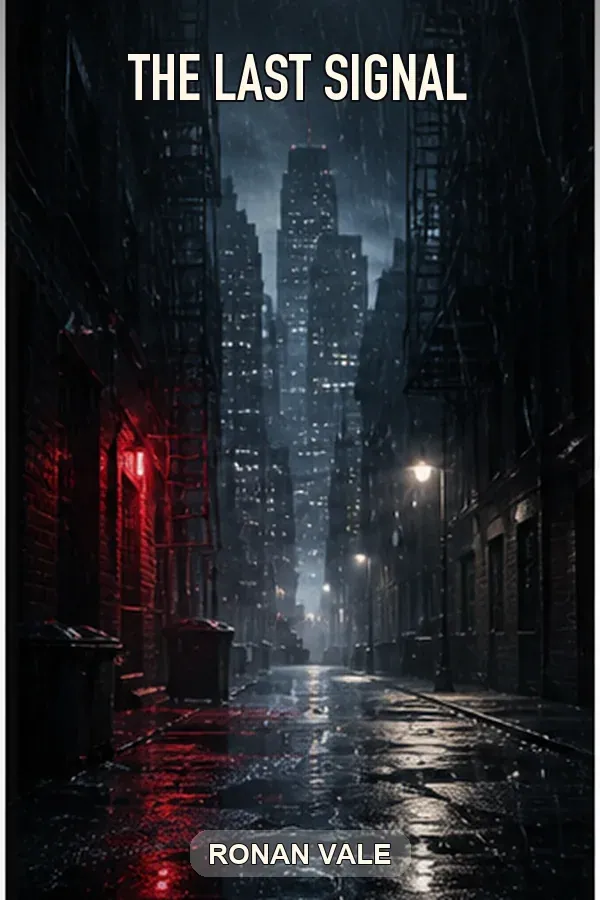
A thriller book cover generator turns one dangerous location into a high-contrast front cover. The promise is pursuit, isolation, or a ticking threat, not a detective puzzle.
BookCoversLab locks Thriller so the scene does not become a cozy clue board or a horror monster poster. You choose the place, the single warning color, and whether the output is a front cover or a full wrap.
Use the thriller book cover generator when the reader should feel urgency before reading the title. If the book hinges on a clue, open the mystery generator instead.
These published genre-library covers show the shelf signal a thriller book cover generator should keep: one place, hard contrast, and a title that can sit in open sky or wall.
A wet city alley and one red light. No face is required.
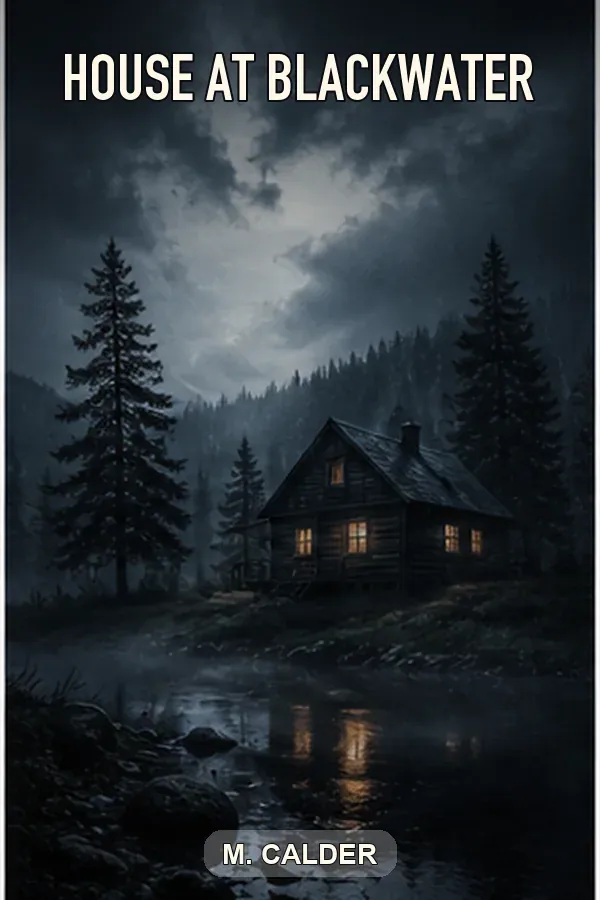
An isolated cabin with one warm window in a cold landscape.
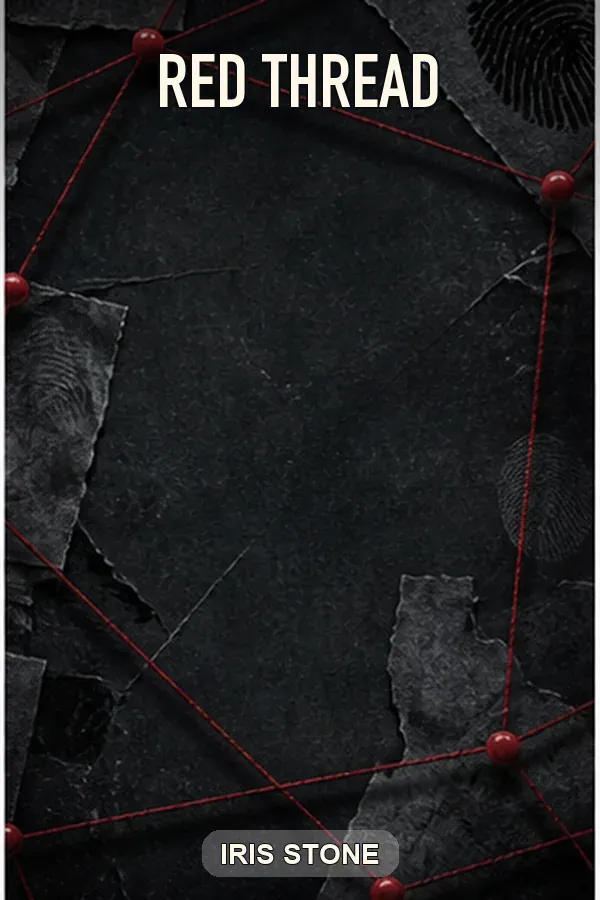
A tense evidence surface. Better for mystery if the clue is the story.
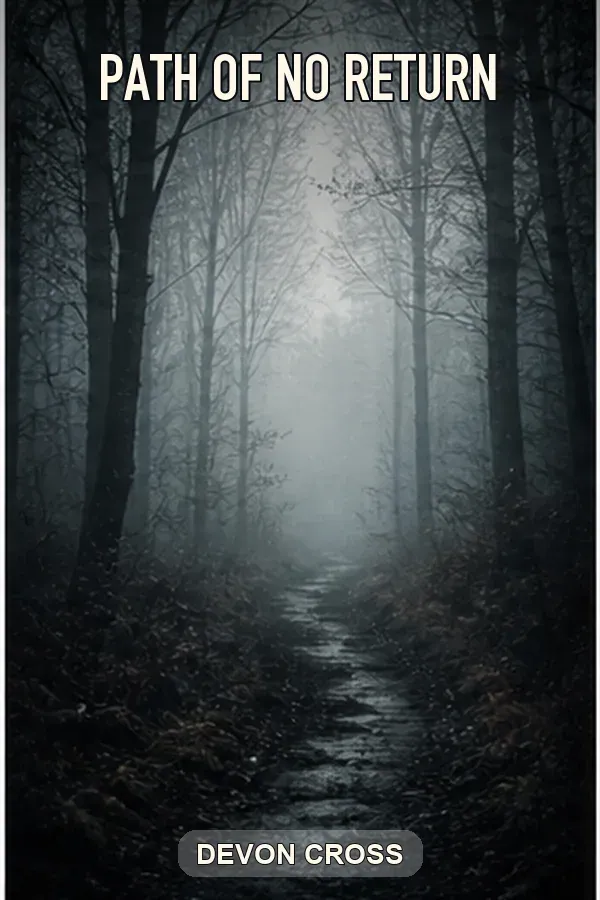
A narrowing forest path that sells pursuit without a crowd.
The thriller book cover generator is strongest when the brief names one location. A city, cabin, road, or stairwell reads faster than a synopsis.
Keep the base near black and spend the contrast on a single red, amber, or cold white light.
Front cover is enough for a Kindle test. Full wrap adds a clean spine area for paperback art.
A fingerprint board or a labeled clue belongs on the mystery page. This lock stays on pursuit and threat.
The thriller book cover generator works in four checks.
Write the threat as a place, not a cast list.
Add one light source and say what must stay out of the frame.
Generate and view the result small. If the danger disappears, remove detail.
Finish the title, author, and print geometry in KDP Cover Creator.
Use this table before you spend a generation in the thriller book cover generator.
| Book | Cover signal | Avoid | Page |
|---|---|---|---|
| Pursuit | Street, road, or stair | A labeled clue | This page |
| Isolation | One building, one light | A monster close-up | This page |
| Whodunit | Key, letter, or lantern | A chase scene | Mystery generator |
| Supernatural dread | Haunted atmosphere | A crime-scene collage | Horror generator |
Authors open a thriller book cover generator when the manuscript tone is already set.
A crime series keeps wet streets and one accent color, then changes the building. The thriller book cover generator makes that comparison quick.
The author tests a cabin, a hotel corridor, and an empty car. The winning image is the one that feels unsafe with no person in frame.
After the front wins, the author switches to full wrap and then sets the real spine once the paperback page count is final.
A thriller book cover generator sells danger and motion. A mystery cover sells a clue the reader can name. Red Thread is closer to mystery; the alley and the cabin are thriller.
No. An empty place with one light is often clearer at thumbnail size than a face.
Choose full wrap for the art. Set trim, bleed, and the barcode box in KDP Cover Creator.
Suspense remains as a legacy option. This thriller book cover generator is the page that should rank for thriller-specific searches.
Leave the thriller book cover generator once the direction is chosen.
Use the thriller book cover generator on a street, cabin, or path before you commit to final type.
Generate a thriller coverLast updated: 2026-10-08